
Does a sauna need ventilation?
Yes. Proper ventilation is crucial in saunas, despite the common misconception that trapping in all the heat is the best approach. In reality, a sauna requires the ability to breathe while still retaining its heat and löyly (steam). The balance between ventilation and heat retention is key to a satisfying and effective sauna experience. Achieving this balance in a sauna build is a process that often involves trial and error, and this is precisely what we have undertaken in our sauna design.
Insufficient ventilation can lead to a buildup of carbon dioxide (CO2) in the sauna, hindering the feeling of invigoration and refreshment. A genuine sauna should have proper ventilation to ensure an adequate supply of oxygen. Without effective venting, CO2 levels can quickly accumulate, especially in the presence of multiple individuals. During sauna sessions, the CO2 levels may rise, particularly when entering or exiting the sauna multiple times, unless there is proper ventilation. The standard North American practice of a 4” round vent at the bottom of the heater and a 4” vent on the upper part of the opposite wall is truly insufficient, contributing to feelings of lightheadedness and dizziness due to the lack of oxygen.
Negative experiences with saunas are often linked to poor air quality. Imagine being in a sealed 4×6×6 foot box with no air flow. You would quickly feel the absence of fresh oxygen. Symptoms such as dizziness, drowsiness, shortness of breath, and an accelerated heart rate can arise in such conditions. If you’ve encountered these issues in a sauna, it’s likely due to inadequate ventilation. If you are in a good sauna and are ‘doing’ sauna properly, you should not have these side effects. It is usually not because of the heat. A hot, but well-ventilated sauna should enable users to stay for extended periods of time, leaving them feeling refreshed and invigorated.
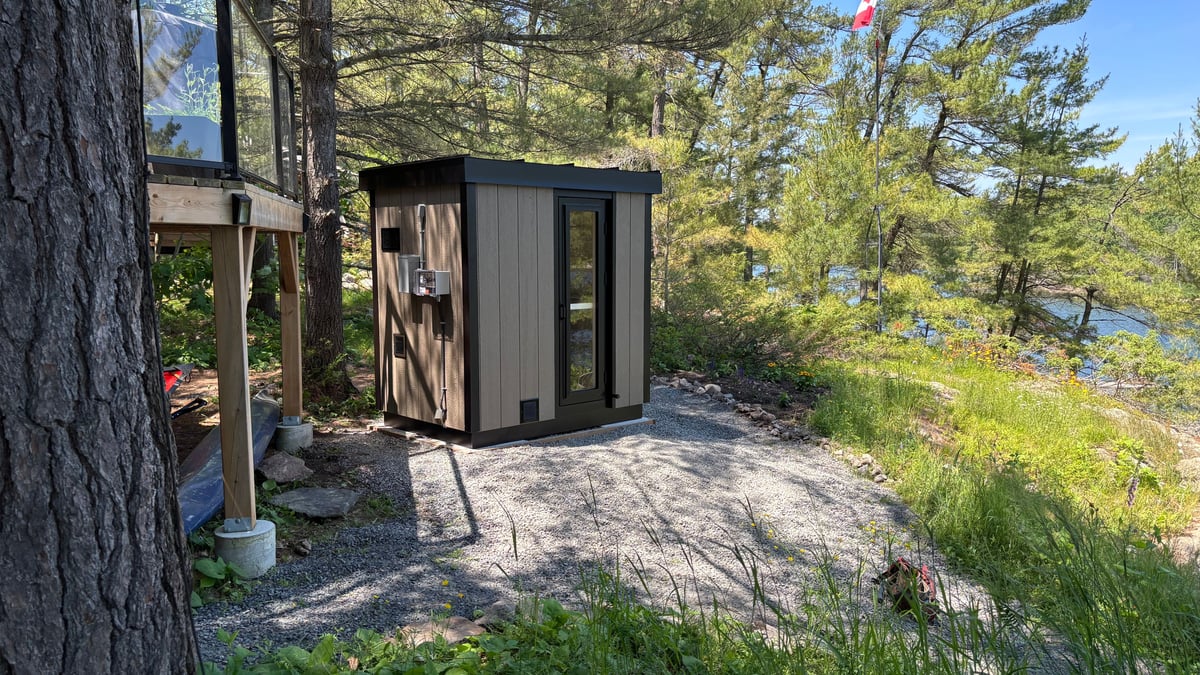
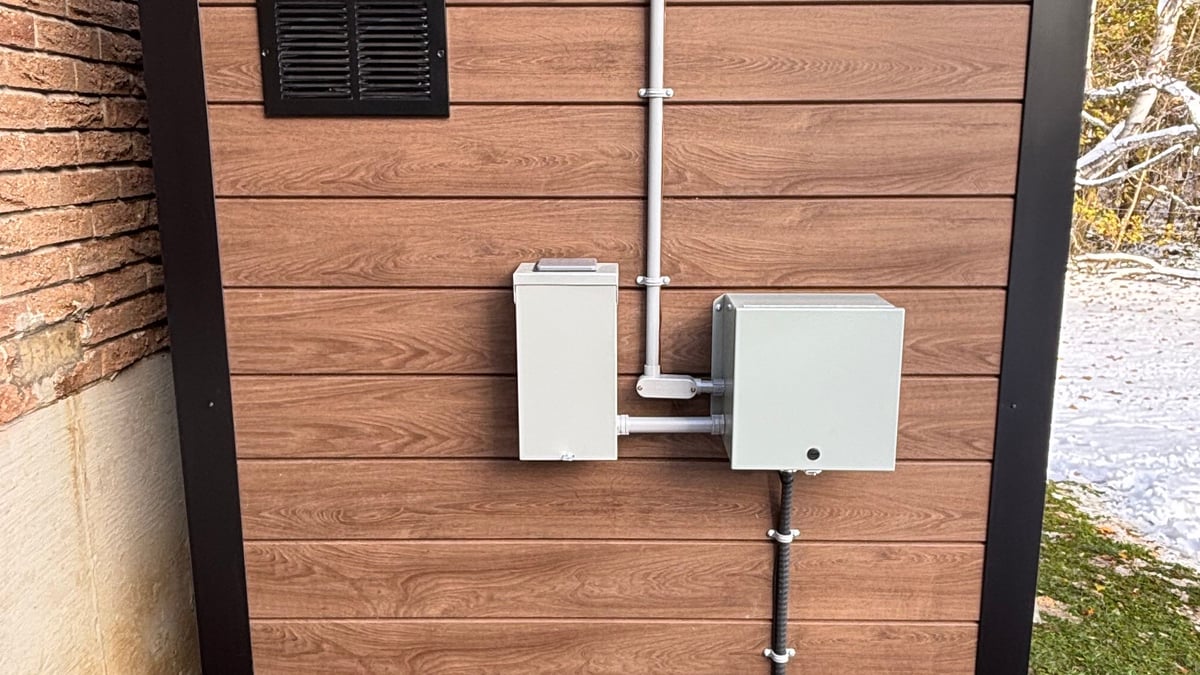
Having tested our sauna for capacities ranging from 1 to 6 people, we found that the minimal venting requirements for North American saunas are notably insufficient. To address this, we have incorporated three times the recommended amount of vents. These added vents are adjustable, allowing you to customize the sauna environment based on various factors, including heat preferences, löyly desires, air flow preferences, and the number of people using the sauna.
When you are shopping for an authentic sauna, make sure you ask about how the sauna is vented, and don’t settle for the standard two vents. It simply is not enough.
Also, ensuring proper sauna ventilation is essential to maintain a dry and fresh environment between uses. In the absence of adequate ventilation, a sauna may retain excessive humidity, leading to potential issues such as mold growth and related problems.
Still deciding?
Tell us the size you are thinking about and where it would go. Mark or his son Joonas answers every message personally, and will tell you straight if a Ryt Sauna is the wrong fit.